

WordPress site owners deal with real login security risks, from brute-force attacks and stolen passwords to unauthorized access through weak credentials. Adding two-factor authentication (2FA) is one of the simplest ways to make WordPress logins more secure, because it requires a second verification step beyond the password.
WordPress site owners deal with real login security risks, from brute-force attacks and stolen passwords to unauthorized access through weak credentials. Adding two-factor authentication (2FA) is one of the simplest ways to make WordPress logins more secure, because it requires a second verification step beyond the password.
In this post, we’ll look at the best two-factor authentication WordPress plugins, how 2FA works, and what to check before choosing the right plugin for your site.
How Two-Factor Authentication Works in WordPress
After entering a username and password, two-factor authentication adds a second verification step before access is granted. In most cases, that second step is a temporary code generated by an authenticator app such as Google Authenticator, Authy, or Microsoft Authenticator. Some plugins also support email-based codes, backup codes, or hardware security keys.
This extra step improves login security because a password alone is no longer enough to enter the site. Even if login details are stolen, leaked, or guessed, the attacker still needs the second factor to get in.
Most WordPress 2FA plugins work with the standard login screen and can be enabled for admins, editors, customers, members, or other user roles. That makes them useful for blogs, WooCommerce stores, multisite setups, and membership websites.
Best Two-Factor Authentication WordPress Plugins
Here are some of the best two-factor authentication WordPress plugins for improving login security, based on ease of setup, supported verification methods, and flexibility for different types of sites.
1. Two-Factor
The Two-Factor plugin stands out because it provides a straightforward and effective way to add an extra layer of security to WordPress sites. Developed by the WordPress core team, it supports several popular authentication methods, including time-based one-time passwords (TOTP) from apps like Google Authenticator, universal 2nd factor (U2F) using hardware keys, email codes, and backup verification codes. This range of options lets users pick the method that fits their needs best without complicating the login process. Since it’s lightweight and follows WordPress standards, it doesn’t slow down sites or cause compatibility headaches, making security easy to maintain for everyone.
What makes the Two-Factor plugin reliable is its seamless integration with WordPress user profiles. Users can easily enable and customize 2FA right from their profile pages, avoiding any need for complicated setups or external tools. Even better, it supports filtered settings per user or role, so site owners can apply 2FA where it makes the most sense like admins or high-level editors, while keeping things simple for less critical users. Regular updates from the core team keep it current with WordPress changes, reducing risks tied to outdated security fixes.
If you also want to harden the login page further, check our guide on how to limit login attempts in WordPress.
2. WP 2FA
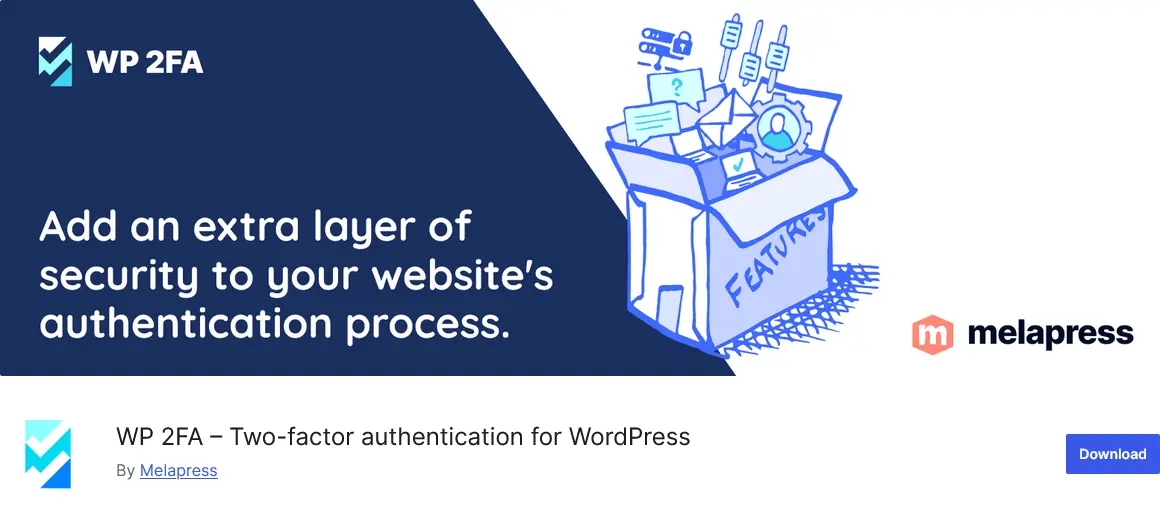
WP 2FA adds an extra layer of login protection and works well alongside other WordPress security plugins. After activating it, a short wizard guides users from start to finish, making the whole process simple for those new to WordPress. The plugin lets site owners decide who needs two-factor authentication; they can enforce it across the board, limit it to certain roles, or simply give a gentle nudge instead of an outright rule. WP 2FA supports codes from popular authenticator apps, codes sent by email, and other secure options, so users can pick whichever method they feel most comfortable using. In case someone loses access to their device, the plugin hands out backup codes, so getting stuck outside the site isn’t an issue.
Agencies and businesses with lots of users or multiple WordPress sites really benefit from WP 2FA’s flexible setup. It works smoothly with multisite installs, so big teams can keep all their sites protected without fuss. There are extra features like trusted devices that cut down on repeated 2FA entry, and it’s easy to change user policies on the fly if the team changes.
3. Wordfence Login Security

Wordfence Login Security option makes protecting WordPress sites straightforward for any size business. By adding strong two-factor authentication, admins and users get an extra hurdle to clear before gaining access, which stops most password snooping cold. Codes can be shipped in from well-known authenticator apps that work across all platforms, or by SMS, giving folks flexible choices. Behind the scenes, the plugin tracks login attempts and keeps a record, making it easy for site owners to see what’s been happening on their login page.
There’s extra power in how Wordfence handles bots and brute force attacks. CAPTCHA challenges at the login page cut down on fake logins, and controls for users’ roles mean you can lock things down for admins while letting regular users skip the extra steps if that’s better for your workflow. XML-RPC protection blocks common exploit attempts where attackers use automated tools.
4. miniOrange 2-Factor Authentication
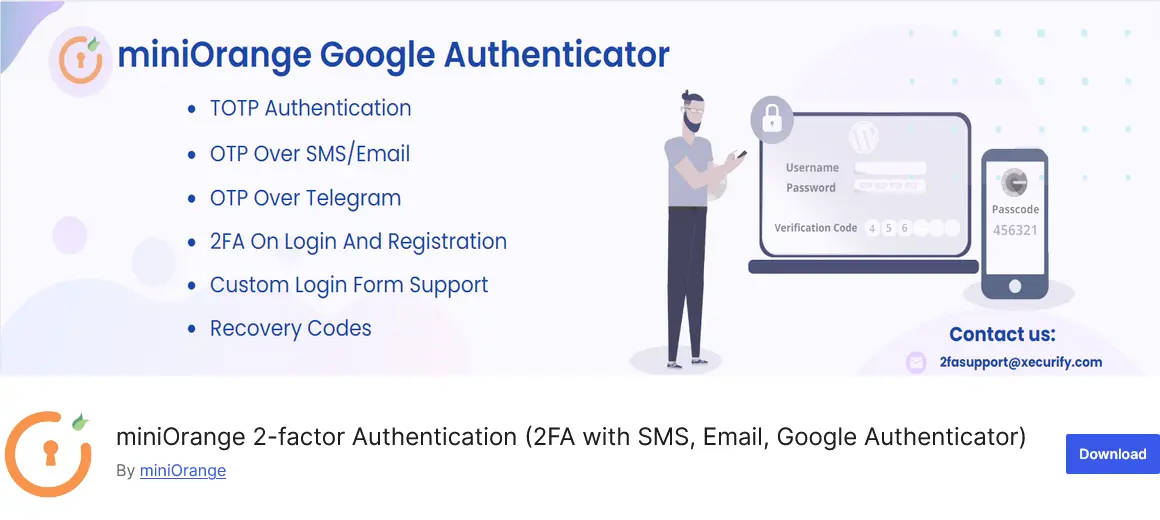
miniOrange 2-Factor Authentication is built for WordPress admins looking for a lot of login options and hands-on control. The setup wizard makes onboarding quick whether you’re on a solo site or running a full business portal. You can let users verify with Google Authenticator, text codes, email links, push alerts, or physical tokens—easy to choose what fits best. Custom SMS gateways are supported if you want to integrate local providers. The plugin covers single blogs, WooCommerce stores, and multisite installs without much fuss, and you can manage which users need extra checks with role-based controls.
Features don’t stop at plain two-factor codes. Admins can change where users land after logging in, personalize security notifications, and add their brand to login forms if that matters. In case a device is lost, you can fall back on backup codes or email recovery, so staff or customers aren’t stuck waiting. Reports track who logged in, flag odd IPs, and keep everyone informed.
5. Two Factor Authentication by UpdraftPlus
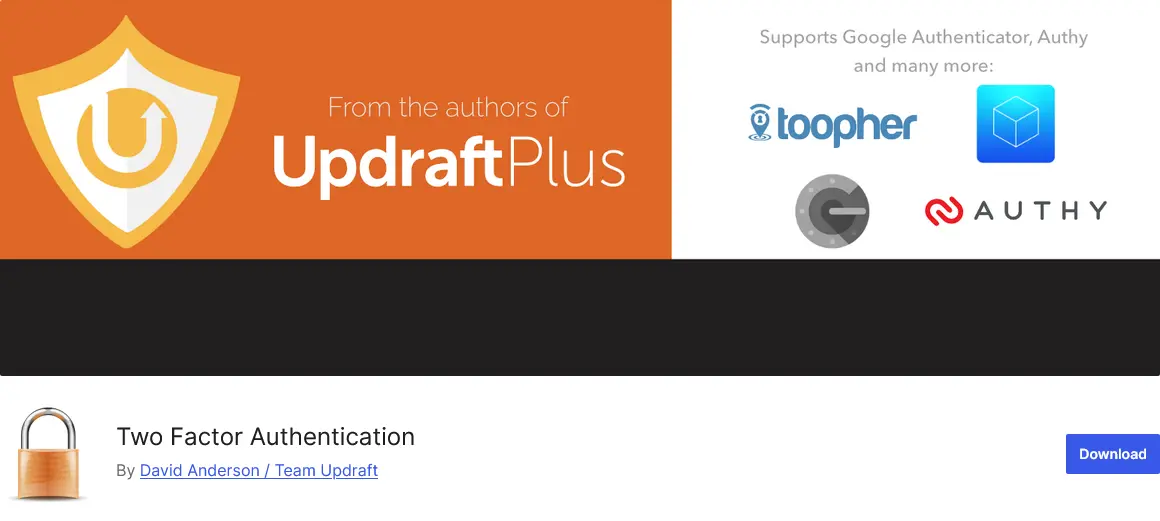
Two Factor Authentication by UpdraftPlus delivers straightforward security for WordPress sites by demanding a second code to log in, using industry-standard methods like TOTP or HOTP. Installation is simple, and users can set up codes from popular apps—Google Authenticator and Authy work right out of the box, with easy QR scanning for mobile. Controls allow admins to make 2FA mandatory by user level, offer emergency recovery codes, and even set up trusted devices to skip extra steps for a limited time. The plugin fits big or small sites, slotting into WooCommerce, Membership, bbPress, and front-end logins with shortcode, and it runs smoothly on WordPress multisite.
Premium features extend the plugin with custom policies and support for integration with even more login forms. Plus, strong encryption protects the secret keys stored on your server, so attackers face multiple hurdles even if they get inside.
6. Solid Security
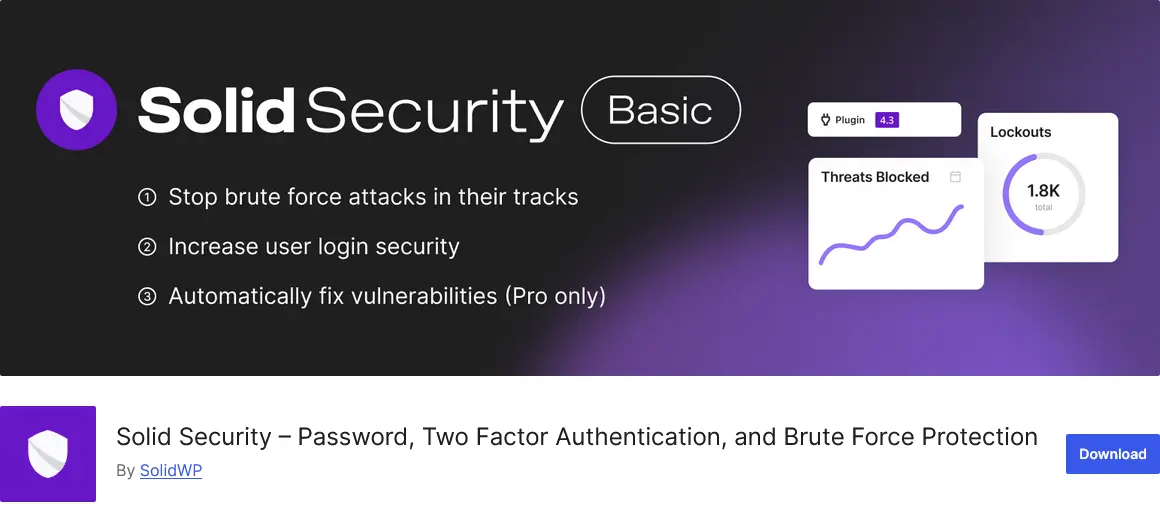
Solid Security brings a wide mix of features to defend WordPress sites from common cyber threats. The plugin quickly locks down logins using two-factor authentication, reCAPTCHA for bots, and solid password policies for all user accounts. Setup takes minutes and lets you pick the security level you need based on your site type, from WordPress travel blogs and portfolios to full eCommerce shops. User groups and templates let you apply stricter rules exactly where you want, whether that’s for client dashboards or customer accounts. Magic Links, trusted devices, and safe privilege escalation options add extra layers for sites needing flexible access.
Automatic tools inside Solid Security keep an eye on things 24/7. The dashboard spits out real-time updates on brute force attacks, banned users, and site scan results, so you know what’s happening on the back end. Vulnerability patching handles new software holes before plugins or themes officially fix them. Regular database backups are built in, and version management makes sure WordPress stays updated.
7. WP Ghost
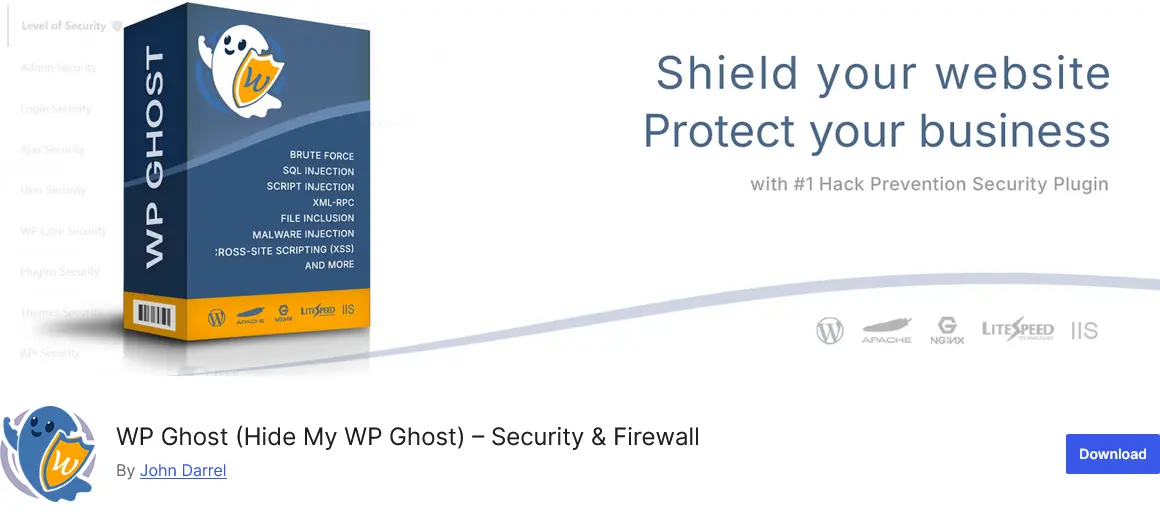
The WP Ghost plugin includes built-in two-factor authentication (2FA) as part of its security firewall. It offers both verification by code and verification by email, giving site owners flexible ways to add another layer of login protection.
The 2FA system in WP Ghost works hand in hand with features like brute-force protection and IP blocking, reducing the number of automated attacks that ever reach the login page. Users can pair 2FA with reCAPTCHA, math verification, or magic link logins to fit their workflow. The plugin keeps things simple—no coding required, and setup takes minutes. Whether you run a shop, a marketing agency WordPress website, or a community blog, this added verification step cuts risks dramatically and makes your WordPress login area much harder to compromise.
8. Really Simple Security
The 2FA option in the Really Simple Security works with both TOTP (time-based one-time passwords) and email verification, allowing users to receive a unique code by email or through an authenticator app before they can access the admin area.
Setting up 2FA with Really Simple Security is quick. Admins can activate it for specific roles or enforce it across all user levels. You can let users configure their 2FA themselves within a given grace period, or make it mandatory from the start. If someone tries to log in without finishing the setup, their access will be temporarily blocked to prevent unauthorized entry. Combined with login attempt limits, CAPTCHA protection, and strong password enforcement, 2FA helps keep your WordPress site shielded against credential leaks and brute-force attacks.
9. Two Factor (2FA) Authentication via Email
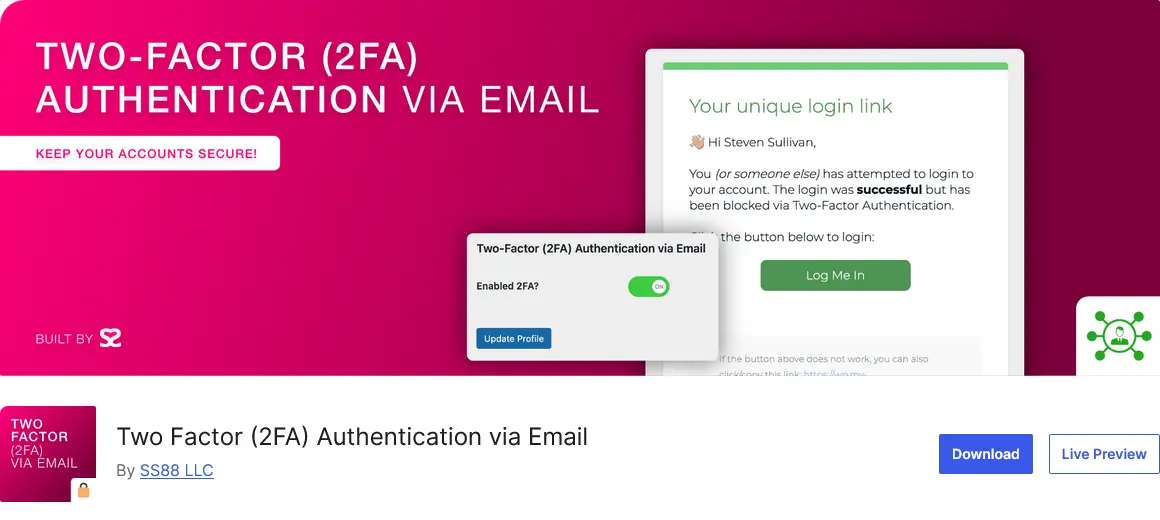
Two Factor (2FA) Authentication via Email strengthens WordPress login security by sending a one-time code to a user’s email address. Once activated, users must supply this emailed code in addition to their regular password to finish logging in. This approach ensures that even if someone guesses a password, they can’t reach the dashboard without access to the correct email account. Site admins can apply this setting to just a few user accounts or roll it out automatically for any WordPress role, including administrators, editors, contributors, and subscribers.
Setup is straightforward, and flexibility comes through simple toggles or small configuration tweaks in wp-config.php. Site owners can pick how long each login code lasts or set up custom redirect links. Troubleshooting is easy—if someone loses email access, disabling the plugin regains site entry. This plugin is lightweight and focuses on just email-based 2FA, making it a practical choice for sites seeking a basic barrier without extra complication.
Common WordPress 2FA Problems and How to Fix Them
A common problem with WordPress 2FA is losing access to the phone or app used to generate login codes. That is why backup codes should always be saved during setup. If backup codes are unavailable, an administrator may need to reset 2FA for the affected account, or access may need to be restored through hosting or recovery options.
Another frequent issue is invalid one-time codes caused by incorrect device time. In most cases, setting the phone clock to update automatically fixes the problem. Plugin conflicts can also break the login flow, especially on sites with custom login pages, membership systems, or WooCommerce account forms. If that happens, test by temporarily disabling conflicting plugins, updating all components, or switching to a 2FA plugin with better compatibility for your setup.
Final Thoughts on Choosing a WordPress 2FA Plugin
Adding two-factor authentication is one of the fastest ways to improve WordPress login security. It adds a strong second layer of protection without making day-to-day site management much harder, especially for administrator accounts and other high-permission users.
The best plugin for your site depends on your setup. A simple blog may only need lightweight app-based or email-based verification, while WooCommerce stores, membership sites, and multisite installations may need stronger enforcement, recovery options, and role-based controls. Start with one plugin from this list, test the login flow carefully, and enable 2FA first for admin users before rolling it out more widely.




%20WordPress%20Plugins&media=https://matchthemes.com/wp-content/uploads/2025/10/best-2fa-wordpress-plugins.webp)