Travel content in 2026 is highly saturated across Instagram, TikTok, and travel websites. Search engines now prioritize intent-based content like itineraries, budget breakdowns, and destination guides. A travel blog that ignores SEO, niche targeting, and structured content struggles to gain visibility. At the same time, audiences are more selective and only engage with content that solves real travel problems.
Modern travel blogging is less about storytelling and more about utility. Successful travel blogs focus on clear niches like digital nomad travel, budget Europe trips, or solo female travel. Google rewards structured pages that answer specific search queries like “best 7 day Japan itinerary” or “cheap hotels in Rome”. This shift makes keyword research, internal linking, and content planning essential from day one.
The opportunity is still strong for creators who treat a blog like a system, not a hobby. Monetization now extends beyond ads into affiliate marketing, digital products, and travel partnerships. Tools like WordPress, SEO plugins, and Pinterest scheduling platforms make scaling content easier than ever. Even small blogs can grow if they consistently publish helpful, search-optimized travel guides.
The key advantage in 2026 is speed of execution combined with clarity of niche and audience intent. Creators who focus on solving travel problems build authority faster than those chasing viral moments. A structured approach with content clusters, email capture, and affiliate integration creates long-term traffic. So let’s break down the exact process, from choosing a niche and setting up WordPress to getting traffic, growing an audience, and making money from your travel blog in 2026.

Choose a Profitable Travel Blog Niche First
One of the biggest mistakes new bloggers make is trying to cover every travel topic at once. A broad travel website makes it harder to attract readers and rank in search results. A focused niche helps people quickly understand what your blog offers. It also makes content planning much simpler.
Popular travel blog niches in 2026 include:
- Budget travel
- Solo travel
- Family vacations
- Luxury travel
- Digital nomad lifestyle
- Road trips and van life
- Adventure travel
- Food and restaurant guides
- Hiking destinations
- Weekend getaway ideas
The best niche is usually a mix of personal interest and audience demand. Think about the destinations, travel styles, or experiences you know well and enjoy discussing regularly.
For example, a blog about European travel is still very broad. A blog focused on affordable weekend trips in Europe gives readers a much clearer reason to visit. The more specific your topic, the easier it becomes to build authority, attract the right audience, and create content that answers real search queries.
A narrow focus at the beginning often leads to faster growth than trying to write about every type of travel.
How to Choose the Best Travel Blog Name
A good travel blog name helps people remember your website after a quick visit. It does not need to sound clever or complicated. In many cases, shorter names perform better because they are easier to type, share, and recall later.
Start by thinking about the type of travel content you plan to publish. A personal travel blog can work well with your own name. If the site focuses on a specific topic, such as budget trips or weekend getaways, a descriptive name may be a better fit. Readers should have a general idea of what the blog covers without needing an explanation.
Keep the name simple. Avoid long phrases, difficult spellings, random numbers, or special characters. These can create confusion and make word-of-mouth sharing harder. Before making a final decision, say the name out loud a few times. If it sounds awkward or is difficult to spell after hearing it once, keep looking for alternatives.
A useful process is:
- Define the main topic of your travel blog
- Use AI tools like ChatGPT, Claude, or Gemini to generate travel blog name ideas based on your niche and target audience
- Brainstorm 10–20 additional names of your own
- Create a shortlist of your top 5 choices
- Check domain name availability
- Check social media usernames across major platforms
- Search Google for similar websites and brands
- Ask a few friends which name they remember most after hearing it once
- Pick the option that is simple, memorable, and gives you room to grow in the future
Try to choose a name that still makes sense if your content grows in the future. For example, a name tied to one destination may feel limiting later. A broader travel-focused brand gives you more room to expand into new countries, travel guides, itineraries, and travel tips.
The best travel blog names are usually clear, easy to remember, and flexible enough to grow with the website.
How to Start a Travel Blog with WordPress
This part sounds harder than it is. You need a domain name and a hosting plan. That’s the whole list.
WordPress is still the right call in 2026. It’s free, you own everything on it, and it scales as your blog grows. Platforms like Wix or Squarespace put a ceiling on what you can do, WordPress doesn’t.
Getting started takes less than an hour:
- Pick a hosting provider (SiteGround or Bluehost are solid options)
- Register your domain during checkout
- Hit the one-click WordPress install in your dashboard
- Log in at yourdomain.com/wp-admin
Most hosts have made the install process dead simple. No coding. No technical headaches. You click a button and it’s done. Skip the extras your host tries to upsell at checkout. Domain privacy, WordPress site backup or security add-ons, you can layer those in later if you need them.
How to Pick the Right Travel WordPress Theme
Focus on three things: fast loading, mobile responsiveness, and clean layout. That’s it. A theme that checks those boxes will serve you better than a flashy one that slows everything down.
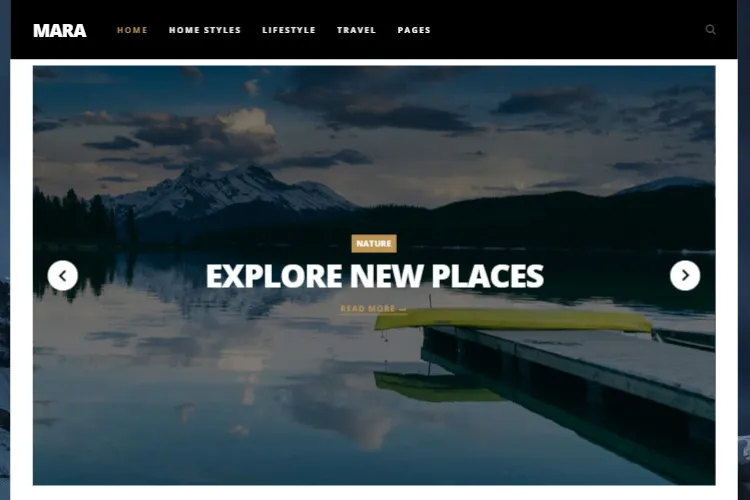
A good example from our portfolio is the Mira travel theme. It’s a clean, photo-forward WordPress theme built for bloggers and travelers, with over 30 article layout options and a live customizer for adjusting colors, fonts, and logo. It’s fully responsive and works well for both personal and professional blogs. If your blog is going to be heavy on photography and storytelling, Mira is worth a look.

Most beginners waste weeks on design. They want something that looks like a high-end travel magazine. That instinct is understandable, but it’s the wrong priority. Your blog is a tool. People come to it for answers, where to stay, what to pack, how to get there. If those answers are hard to find, they leave.
Keep your menu simple
Your top menu doesn’t need to be clever. It needs to be obvious. Something like Destinations, Travel Guides, Packing Tips, About, and Contact is more than enough. Visitors should know where to click without thinking.
Pick fonts that are easy to read
Decorative fonts look nice in screenshots. They’re painful to read at length. Use something clean and clear. Your readers are already putting in effort to absorb your content — don’t make the typography another obstacle.
Limit your colors
Two or three colors is a good ceiling. Your photography should carry the visual weight of the page. If your buttons and banners are competing with your images, something’s off.
Make mobile your starting point
The majority of travel blog readers are on their phones. A theme that loads slowly on mobile will hurt both your traffic and your search rankings. Speed matters more than style.
Not sure which theme fits your style? Check out our roundup of the best travel blog WordPress themes to find one that works for you.
WordPress Plugins Every Travel Blogger Actually Needs
Plugins are what turn a basic WordPress site into something that works hard for you. They add features without touching a single line of code. You don’t need dozens of them, just the right ones.
Here’s what to install first:
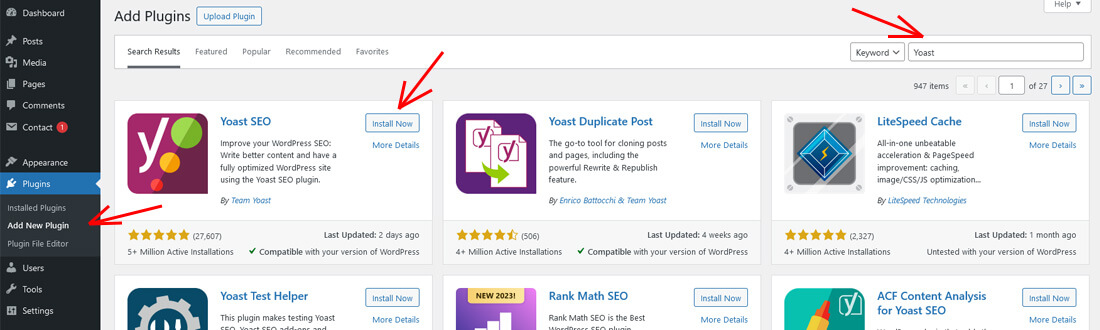
Yoast SEO or Rank Math: Pick one, not both. These help you optimize each post for Google: meta descriptions, page titles, readability checks. If you want your blog to show up in search results, one of these is non-negotiable.
WP Rocket or W3 Total Cache: Site speed affects both your readers and your rankings. A caching plugin stores a lighter version of your pages so they load faster. Travel blogs are image-heavy by nature, so this matters more than most niches.
Smush or ShortPixel: Big, beautiful travel photos are a selling point. But uncompressed images kill your load time. These image optimization plugins shrink file sizes without making your photos look worse. Install one on day one.
Akismet: Spam comments pile up fast once your blog gets any traction. Akismet filters them out automatically. It runs quietly in the background and saves you a lot of cleanup time.
UpdraftPlus: Backups. Not exciting, but you’ll be glad it’s there the day something breaks. Set it to back up weekly to Google Drive or Dropbox and forget about it.
To add any of these, go to your WordPress dashboard, click Plugins → Add New, search by name, then hit Install and Activate. Done in under a minute.
Start with these five. Add more only when you have a specific problem that needs solving. A bloated plugin list slows your site down and creates more things to break.
How to Write Travel Blog Posts That Rank on Google
Before you write a single word, find out what people are actually searching for. You don’t need paid tools to do this. Open Google and type a destination or topic. Look at what it auto-suggests. Those completions come from real searches. Type “Japan itinerary” and you’ll instantly see variations like “Japan itinerary 7 days,” “Japan itinerary budget,” or “Japan itinerary first time” . That’s your content plan, handed to you for free.
Other places worth checking: Reddit threads, Pinterest search, YouTube suggestions, and the “People Also Ask” box in Google results. Between all of these, you’ll rarely run out of ideas.
Structure Your Posts so People can Actually Read Them
Most visitors scan before they commit to reading. Short paragraphs help. Clear headings help more. Break your content into sections that make sense on their own. Someone jumping to “Day 3” of your itinerary shouldn’t have to read the whole post first. Use original photos where you can. Authentic images from your actual trip do more for trust than any stock photo. Good enough is fine. Perfect is not the goal.
The Basics of SEO for Travel Blogs
SEO for beginners really comes down to a few habits: put your main keyword in the title, use it naturally in a couple of headings, write content that fully answers what the reader came for, add internal links to your other posts, and keep your images compressed so pages load quickly.
The key is matching the reason behind the search, someone asking “best time to visit Bali” is in research mode, while “book Bali resort” signals they’re ready to act. Write for the first group; they’re the ones who share, bookmark, and come back.
Write for the person reading. Then tidy it up for Google. In that order, always.
How to Get People to Actually Read Your Travel Blog
Publishing posts and hoping for traffic is not a strategy. You need to actively put your content in front of people. That part doesn’t happen on its own. In 2026, these are the channels worth your time.
Pinterest is still one of the most overlooked platforms for travel bloggers. Travel content like itineraries, destination guides, packing lists, budget breakdowns, does extremely well there. People use Pinterest like a search engine, and your posts can keep pulling in clicks months after you pin them.
TikTok and Instagram Reels reward short, useful video content. You don’t need fancy editing or expensive gear. A phone clip walking through a packing list or showing a hidden spot in a city can reach thousands of people who’ve never heard of your blog. The goal isn’t going viral, it’s showing up consistently in front of the right audience.
Email is the one channel you actually own. Follower counts shift when platforms change their algorithms. An email list doesn’t. If you have 500 engaged subscribers, that’s 500 people who asked to hear from you. Subscribers are also more likely to trust your recommendations, which makes email particularly valuable if you’re planning to monetize through affiliate links or products down the line.
Getting people to subscribe is easier when you offer something useful upfront. A free packing checklist, a downloadable itinerary, or a simple budget spreadsheet gives readers a reason to hand over their email address.
Pick one or two of these channels and go deep before trying to do everything at once. A travel blog with a focused Pinterest presence and a small email list will do better than one that spreads itself too thin across every platform.
Consistency beats volume. Show up reliably in one place, then expand.
How Travel Blogs Actually Make Money (and When to Start)
Don’t try to monetize on day one. Build traffic first. A blog with 500 monthly readers isn’t ready for ads or sponsorships, but it can start testing affiliate links. If you’re under 10,000 monthly visitors, affiliate marketing is your best bet, delivering significantly higher returns per visitor than display ads at that stage.
Affiliate marketing works by recommending products and services you actually use like travel insurance, booking platforms, eSIMs, luggage, tours and earning a commission when someone buys through your link. The key word is genuinely. Readers pick up on forced recommendations fast, and trust is hard to rebuild once it’s gone.
Once traffic grows, display ads become a passive income stream that runs in the background. Sponsored posts and brand partnerships come later still, once you’ve built an audience worth paying to reach. Digital products like downloadable itineraries, travel guides, Lightroom presets, budget templates are worth adding whenever you’re ready, since you build them once and they keep selling. Successful travel bloggers tend to layer multiple income streams over time rather than relying on a single source. That’s the actual model. It takes time, but it compounds.
Frequently Asked Questions About Starting a Travel Blog
Is it worth starting a travel blog in 2026?
Yes. Travel blogging is competitive, but there is still plenty of opportunity for new creators. The key is choosing a specific niche, publishing helpful content, and focusing on search intent rather than generic travel stories. Blogs that solve real travel problems continue to attract readers and generate income.
How much does it cost to start a travel blog?
Most beginners can launch a travel blog for less than $100 per year. Your main expenses are a domain name and web hosting. Optional costs include premium themes, plugins, email marketing tools, and design services.
Can travel blogs still make money?
Yes. Travel bloggers earn income through affiliate marketing, display ads, sponsored content, digital products, travel consulting, and brand partnerships. Many successful blogs use several revenue streams instead of relying on a single source.
How long does it take to get traffic from Google?
Most new travel blogs need between 6 and 12 months before seeing meaningful organic traffic. The timeline depends on content quality, competition, publishing frequency, and SEO efforts. Travel blogging is a long-term project, not a quick win.
Do you need to travel full-time to run a travel blog?
No. Many successful travel bloggers started while working full-time jobs and taking only a few trips each year. You can create content from past trips, local destinations, travel planning guides, itineraries, and travel tips.
What type of travel blog posts get the most traffic?
Destination guides, detailed itineraries, travel tips, packing lists, hotel recommendations, and “best things to do” articles often perform well in search results. These topics match what travelers actively search for when planning a trip.
What is the biggest mistake new travel bloggers make?
The most common mistake is writing about too many topics at once. A focused niche helps build authority, attract the right audience, and create a clearer content strategy. Another common mistake is quitting before content has time to gain traction in search engines.
Final Thoughts on How to Start a Travel Blog
Most people overthink it before they even begin. They wait for the perfect niche, the right camera, a better name. None of that matters as much as simply publishing something useful and doing it again the following week.
Travel blogging in 2026 still works. But it rewards the people who show up consistently, write for real readers, and stay patient long enough to see results. You don’t need a big budget or a massive following to get started. You need a clear topic, a basic setup, and the discipline to keep going when progress feels slow. That’s the whole thing. Start now, improve as you go.